
Mental Focus, Fatigue and Brain Energy Support
Mental fatigue can make it harder to concentrate, stay productive, and maintain focus throughout the day. Long work sessions, constant multitasking, and sustained cognitive effort all increase the brain’s demand for energy.
The brain relies heavily on cellular energy to support processes such as concentration, decision making, and information processing. NAD+ plays a central role in cellular energy metabolism, helping cells convert nutrients into usable energy.
Supporting healthy NAD+ levels may help maintain the cellular energy systems involved in mental focus and cognitive performance.
How Mental Fatigue Affects Focus
- Mental fatigue often develops when cognitive demand remains high for extended periods. The brain continuously processes information, manages decisions, and maintains attention.
- Over time, this sustained activity increases cellular energy demand.
- When the systems responsible for producing cellular energy become strained, symptoms of mental fatigue may appear. These can include difficulty concentrating, slower thinking, and reduced mental clarity.
- Nuchido TIME+ increases NAD+ levels, helping maintain the cellular energy systems involved in brain energy and cognitive function.

Sustained Cognitive Load
Long periods of concentration require consistent cellular energy production within the brain.
Tasks such as studying, problem solving, and complex work increase metabolic demand in the brain.
When this demand continues without sufficient recovery, cognitive fatigue may begin to affect focus and productivity.

Information Overload
Modern environments often require constant attention to messages, notifications, and multiple tasks at once. This continuous flow of information can increase mental strain and contribute to brain fatigue.
Maintaining efficient cellular energy production becomes increasingly important during these periods of sustained cognitive demand.
NAD+ plays an important role in the pathways cells use to produce and manage the energy required for these longer periods of time.

Sleep and Cognitive Recover
Sleep plays an important role in mental recovery. During sleep, the brain carries out processes involved in repair, restoration, and memory consolidation.
When sleep quality is poor or inconsistent, brain inflammation can rise and NAD+ levels can drop, leaving your cells with less energy and contributing to greater mental fatigue during the day. NAD+ supports metabolic pathways involved in cellular energy production, while also activating repair and recovery processes in the brain, helping neurons maintain function and resilience during restorative periods like sleep.
BOOST YOUR NAD+ LEVELS WITH NUCHIDO TIME+
The Role of Cellular Energy in Mental Performance
- Focus, decision making, and mental clarity all rely on steady cellular energy production within brain cells. These processes require continuous metabolic activity to support communication between neurons and maintain cognitive performance.
- NAD+ plays an important role in these metabolic pathways. It helps cells convert nutrients into usable energy that supports brain function. Changes in NAD+ availability may influence how efficiently these cellular systems operate during periods of sustained mental effort.
- Supporting NAD+ levels can help maintain the cellular energy systems involved in brain energy and cognitive performance.


What Helps Support Mental Energy and Focus?
Nutrition for Brain Energy
Managing Cognitive Workload
Supplements for Mental Fatigue
what our customers and partners say...
THE TIMES+
Read our blogs to explore how cellular energy, aging, and fatigue influence long-term mental performance.
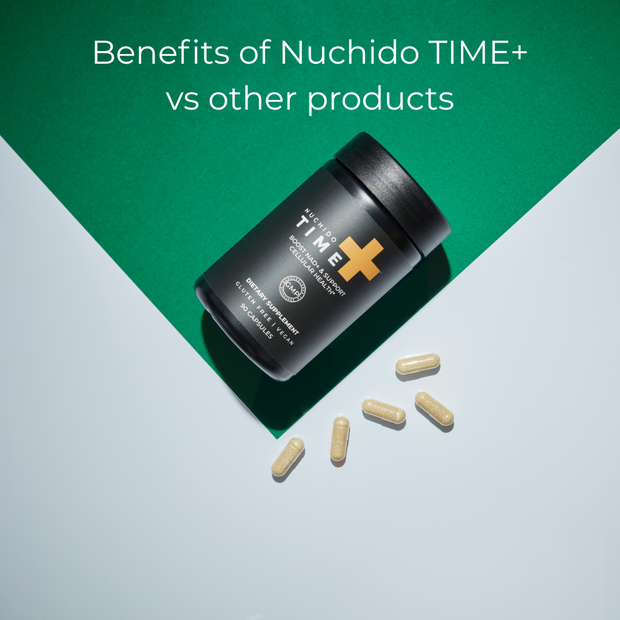
Benefits Of Nuchido TIME+ Vs Other Products
Nuchido explains how Nuchido TIME+ is different to NMN, NR and NAD+ IVs and injections. Read the guide to learn how not all supplements are created equally.

New Year, New Me: 7 Wellness Hacks You Need to Try
Discover seven affordable, science-backed wellness habits that support cellular health, boost energy and promote longevity.

NAD vs. Energy Supplements: Tackling Fatigue at Its Source
Discover how NAD+ boosting supplements go beyond typical energy boosters by tackling fatigue at its source and supporting natural, long-term energy levels.

Wellness Hacks to Prepare for the Christmas Party Season
Discover wellness hacks to maintain your energy and support healthy NAD+ levels throughout the festive season. Stay vibrant, resilient and ready for every celebration!