
- Feeling less energized than you used to with no obvious cause? For many adults, the answer starts not with age, but with lifestyle.
- Modern lifestyles including long hours at a desk, disrupted sleep, convenience food, and low-grade chronic stress, places a sustained and often invisible pressure on the body's energy systems. At the cellular level, that pressure depletes NAD+, the molecule that powers how every cell in your body produces and uses energy.
- Aging does reduce NAD+ levels naturally, but modern habits can accelerate that decline significantly. Nuchido TIME+ is a clinically studied NAD+ supplement designed to restore the cellular energy systems that modern life quietly works against.

How Modern Habits Deplete NAD+
NAD+ is produced and recycled continuously inside your cells. But several everyday patterns, common to many people in their 30s, 40s, and 50s, interfere with that process. Each one increases demand on your cellular energy systems while reducing the body's ability to replenish them.

Sedentary Behavior and Cellular Energy
The average American adult spends around 6 hours a day sedentary, and many spend far longer. Prolonged sitting reduces mitochondrial activity and suppresses NAMPT, the key enzyme that drives NAD+ production inside cells. When activity levels stay low day after day, cells produce less energy. The result often shows up as a flat, persistent fatigue without an obvious cause, because the cause is happening at the microscopic level inside your cells.
Poor Sleep and NAD+ Depletion
Sleep is where the body carries out much of its cellular repair and NAD+ recycling. When sleep is fragmented or consistently shallow, this overnight replenishment is interrupted. The relationship works in both directions: poor sleep depletes NAD+, and lower NAD+ is associated with disrupted sleep quality. Over time this cycle reinforces itself, making it harder to feel genuinely rested even after a full night in bed.
In our clinical trial, participants taking Nuchido TIME+ reported improvements in sleep quality alongside increases in NAD+ levels.

Ultra-Processed Food and Cellular Energy
Diets high in ultra-processed foods create a dual problem. They are typically low in the micronutrients the body uses in NAD+ production, and they promote chronic low-grade inflammation, which consumes NAD+ at an accelerated rate. Even moderate reliance on convenience food can quietly raise the body's demand for NAD+ while reducing its supply.
The Cellular Mechanism Behind the Afternoon Energy Slump
The infamous mid-afternoon crash in energy is often dismissed as a blood sugar shift, but there is a cellular explanation worth understanding. By early afternoon, cells have already spent hours producing ATP to support cognitive work, physical movement, and background repair. NAD+ is consumed in each of these processes. When NAD+ availability starts to fall, mitochondria produce less ATP. Brain cells, among the most energy-demanding in the body, register the shortfall first. The result is difficulty concentrating, slower thinking, and often a drop in motivation.
This is not inevitable. It reflects the cumulative state of your cellular energy systems, and those systems respond to consistent support. Learn more about how NAD+ influences mental fatigue and focus.
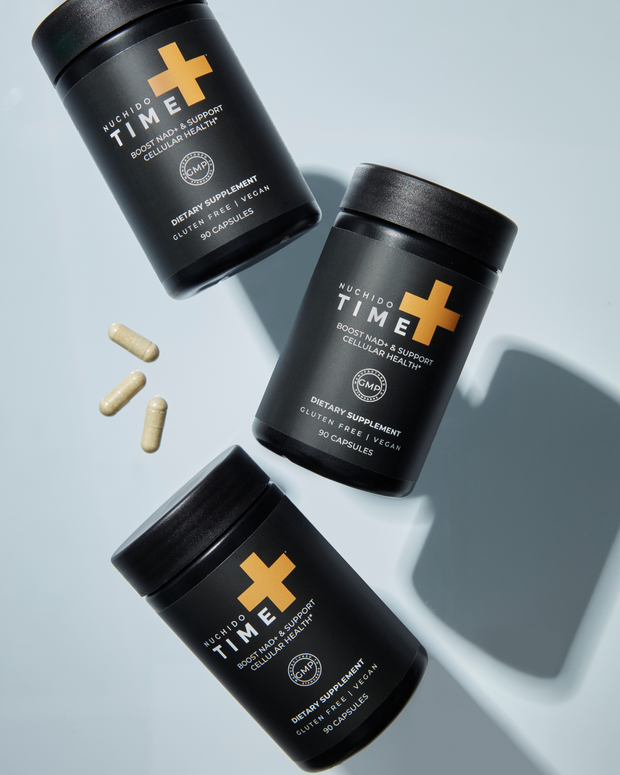
BOOST YOUR NAD+ LEVELS WITH NUCHIDO TIME+
0
days
0
hours
0
mins
0
secs
Why Lifestyle Changes Alone Are Not Always Enough
Exercise, quality sleep, and a whole food diet all play an important role in supporting energy levels. But for many people in their 40s and 50s who are already doing the right things, maintaining energy can still feel harder than it used to. That is because, as we age, there are often underlying physiological changes that lifestyle habits alone cannot fully address.
From around your 20s, NAMPT, the enzyme responsible for recycling NAD+, naturally becomes less active as part of the aging process. Healthy lifestyle habits can help reduce the drain on NAD+, but they may not fully support the body’s ability to maintain NAD+ levels over time. Explore how this compares to other approaches on our NAD+ supplements page, or learn more about the science behind it.
What Helps Support Daily Energy Levels
Movement
Regular physical activity supports healthy mitochondrial function, triggers your cells to make more mitochondria and increases NAMPT activity. Short walks, taking the stairs, or breaking up long periods of sitting can meaningfully support the cellular systems involved in energy production. See how NAD+ supports training and endurance.
Sleep Quality
Consistent sleep timing and reducing screens before bed supports the circadian regulation of NAD+ recycling. Deep, restorative sleep allows more of the overnight cellular repair that NAD+ enables.
Nutrition
Reducing reliance on ultra-processed foods and increasing B vitamins, zinc, and polyphenol-rich plants such as spinach, broccoli and blueberries supports the cofactors the body uses in NAD+ production. Consistent, balanced meals help stabilise the metabolic environment in which cells produce energy.
NAD+ Supplementation
For those whose energy levels have not responded fully to lifestyle changes, Nuchido TIME+ offers a targeted approach. It is the only NAD+ supplement proven in a human clinical trial to restore the body's natural NAD+ production pathway and increase energy levels. For more on how age and NAD+ interact with energy, see NAD+ and energy levels after 50.
Testimonials
THE TIMES+
Read our blogs to understand how aging affects cellular energy, muscle fatigue and repair.
How NAD+ Supports Joint Health & Mobility
It is important to maintain NAD+ levels in your body, as this molecule can address inflammation in joints and help repair muscles.

The UK’s Healthiest Cities Ranked: How Your Environment Impacts Your Biological Age
Explore how environment affects biological age in the UK. Leeds ranks healthiest, Manchester lowest, based on fitness, air quality, sunlight and lifestyle factors
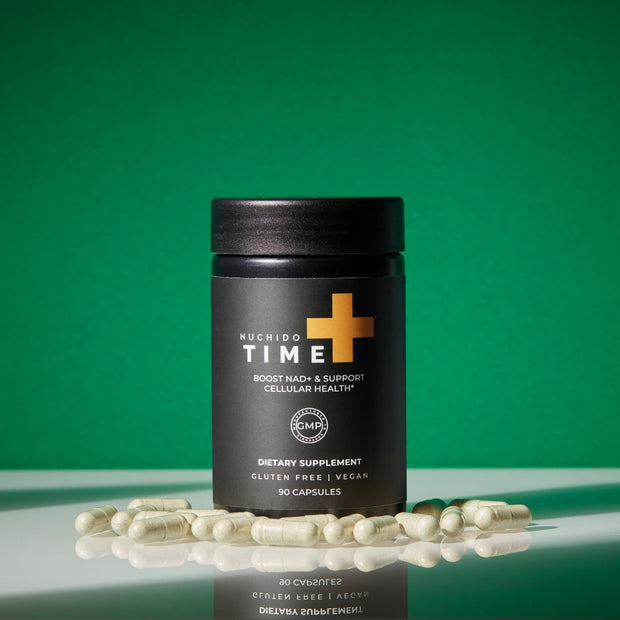
NAD vs. Energy Supplements: Tackling Fatigue at Its Source
Discover how NAD+ boosting supplements go beyond typical energy boosters by tackling fatigue at its source and supporting natural, long-term energy levels.

NAD+: The Supplement That Supports Whole-Body Health
Discover five ways your body can benefit from NAD+ supplements by reading Nuchido's guide.