HOW HORMONES INFLUENCE ENERGY LEVELS

  • Hormones act as chemical messengers that help regulate many biological processes. from brain health, bone strength, metabolism and energy production.
  • At the cellular level, hormones help regulate the mitochondria, the structures responsible for converting the nutrients we consume into usable cellular energy. By influencing how efficiently mitochondria function, hormones play a direct role in the body’s ability to produce energy and support daily activity. 
  • When hormone levels fluctuate, these systems can become temporarily disrupted, which may contribute to fatigue. 
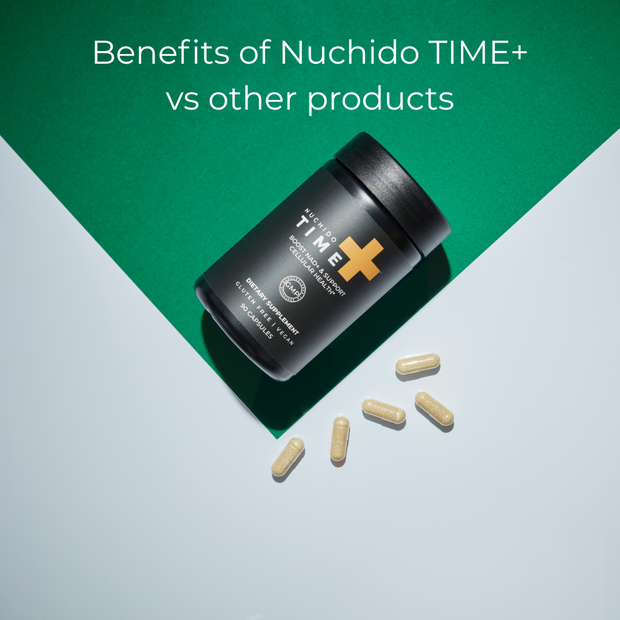
  • Nuchido TIME+ increases NAD+ levels, another molecule critical for energy production. NAD+ acts as the 'fuel' to power cellular energy production, when there is less NAD+ available, your cells struggle to meet energy demands.  
Media image 1
    • Hormonal Changes and Energy Production

    Hormones influence metabolic pathways that help with cellular energy production. When hormone levels shift, the balance of these pathways may change, which can affect overall energy levels. This is one reason hormonal fatigue symptoms may appear during periods of hormonal transition

    • Sleep Disruption and Hormonal Fatigue

    Hormones also influence sleep regulation. Changes in hormone levels can affect sleep quality, which in turn influences recovery and daily energy. When sleep becomes less restorative, fatigue may become more noticeable.  

    Cellular recovery during sleep relies on efficient energy metabolism, and NAD+ is essential for activating the repair pathways your cells use while also supporting the energy needed for restorative sleep. 

    • Stress Hormones and Energy Demand

    Hormones involved in the stress response can increase energy demand throughout the body. When these systems remain active for extended periods, stress and hormonal fatigue may overlap. Supporting the cellular systems that generate energy becomes increasingly relevant during these periods. 

    Media image 1

      Why Hormonal Fatigue Can Feel Persistent

      Hormonal changes often occur gradually and can influence several systems at once. Sleep, metabolism, mood, and stress responses are all interconnected. 

      Because cellular energy supports these systems, changes in energy metabolism may contribute to ongoing fatigue during hormonal shifts. 

      NAD+ is involved in the metabolic pathways that support cellular energy production. Changes in NAD+ availability may influence how efficiently these systems function over time. 

      Collapsible with content image
      Collapsible with content image
      Collapsible with content image

        What Helps Support Energy During Hormonal Changes?

        Nutrition and Vitamins for Hormonal Energy Support

        Balanced nutrition provides the building blocks required for cellular energy production. Vitamins and micronutrients support metabolic pathways involved in converting nutrients into usable cellular energy. 

        Consistent nutrition can help support steady energy levels during hormonal changes. 

        Lifestyle Factors That Influence Hormonal Energy

        Sleep quality, stress management, and regular physical activity all play important roles in maintaining energy levels. 

        Supporting recovery and reducing prolonged stress can help support the systems involved in energy balance. 

        Supplements for Energy During Hormonal Changes

        Cellular energy production depends on NAD+, which naturally declines with age and chronic stress. Increasing your NAD+ levels can support energy production during hormonal shifts. 

        Nuchido TIME+ is a clinically studied NAD+ supplement designed to support NAD+ levels and the cellular energy systems active throughout daily life. 

        what our customers and partners say...

        "Loving your Nuchido TIME+ supplement. Only been a few months but feeling a noticeable difference in increased energy. Great complement to a healthy lifestyle and diet."
        @ejtoner
        "Nuchido TIME+ gave me a second chance at reclaiming my social life and health. A truly amazing product!"
        @joshwafigaroa
        "I am a fitness instructor, just turned 50, constantly active and this product has helped me so much with muscle recovery, fatigue and overall health. A great investment in my health and wellbeing."
        Joanne Neale
        "This has been life changing for me and my perimenopausal symptoms. It’s actually mind blowing. Thank you so much for developing this!"
        Susan Wintoniw

          TRY NUCHIDO TIME+

          Subscribe and save - access our best pricing with a 90-day subscription

          FAQS

          What is hormonal fatigue?

          Hormonal fatigue refers to tiredness or low energy that occurs when hormone levels shift or become imbalanced.

          Why do hormonal changes affect energy levels?

          Hormones influence metabolism, sleep, stress responses and energy production. When hormone levels change, these systems can affect how energized you feel.

          How does cellular energy relate to hormones?

          Hormones influence metabolic pathways that help cells produce energy. Cellular energy production plays a role in maintaining overall vitality.

          Can hormonal changes cause persistent fatigue?

          Yes. Hormonal shifts may affect several systems at once, including sleep, metabolism, and mitochondrial function which can contribute to ongoing fatigue.