How Long Should Muscle Strain or Tear Recovery Take Based on My Age?
If you’ve ever noticed that recovery takes a little longer than it used to from things like a pulled hamstring to an injured muscle, you’re not imagining it. Age has more of an impact on muscle recovery than you’d think.
From minor strains to more serious torn hamstrings, how long your recovery time takes depends on several factors, including your age, overall health, and how efficiently your cells repair themselves.
Understanding Muscle Strain and Tear Recovery
A muscle strain happens when fibers in the muscle are overstretched or partially torn, usually from movement, overuse, or lifting something heavier than usual. A torn hamstring or similar injury is a more severe form of strain, where the fibers tear more.
When this happens, your body starts to repair the damage. Cells remove tissue that’s damaged, inflammation sets in to protect the area, and new muscle fibers rebuild. This repair process is what causes soreness, stiffness, and swelling, which are all signs that your body is hard at work healing.
Recovery Time by Age Group
Every injury is unique, but the below timelines can give you a rough guide of what to expect when recovering from a muscle strain or tear:
In Your 20s and 30s
Your muscle recovery is typically at its peak at this age, you have a strong pool of stem cells powering regeneration, inflammation dies down faster, and circulation helps nutrients get to where they need to be.
-
Mild strain: 1–2 weeks
-
Moderate strain: 3–4 weeks
-
Severe tear: 6–8 weeks
With good rest and proper care, many people in this age group recover quickly, especially if they are regularly active and have balanced nutrition.
In Your 40s and 50s
In your forties, recovery begins to slow slightly which can be due to a gradual decline in muscle mass (known as sarcopenia), a decline in the number and quality of stem cells, hormonal changes, and reduced levels of cellular molecules like NAD+, which are important for tissue repair.
-
Mild strain: 2–3 weeks
-
Moderate strain: 4–6 weeks
-
Severe tear: 8–10 weeks
You might find that soreness lasts longer or slows muscle recovery after working out. Helping cellular energy and recovery with good sleep, stretching, and nutrition becomes even more important.
In Your 60s and Over
As we age, the body’s repair processes naturally become less efficient. NAD+ levels decline significantly, contributing to increased levels of chronic inflammation, a reduction in stem cells and decreased mitochondrial performance—all of which impair the body's ability to repair and rebuild tissue.
-
Mild strain: 3–4 weeks
-
Moderate strain: 6–8 weeks
-
Severe tear: 10–12 weeks or more
Older adults may also have stiffness or reduced flexibility, so making gentle movement, regular physiotherapy, and cellular help are all important for healing.
How Supporting NAD+ Levels Can Help
NAD+ is essential for:
-
Energy production: Giving cells the energy needed for tissue rebuilding
-
Cellular repair: Helping enzymes to fix damaged muscle fibers
- Stem cell function: Ensuring stem cells have sufficient energy and maintain their regenerative capacity
-
Inflammation control: Helping balance the body’s response to injury so recovery isn’t delayed
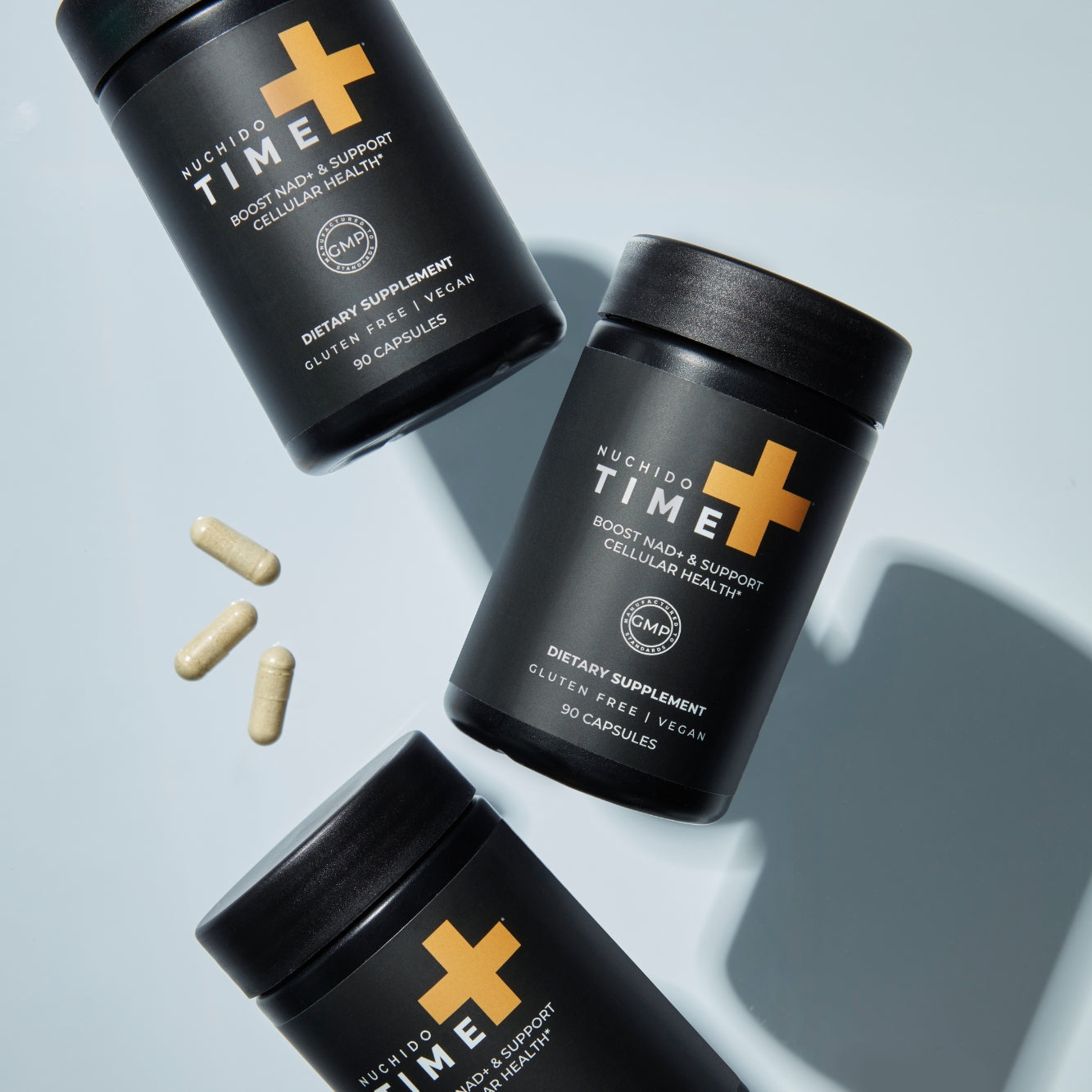
Supporting your NAD+ levels with targeted lifestyle habits and the NAD+ boosting supplement Nuchido TIME+, means you are giving your muscles a helping hand in staying strong and recovering more efficiently as you age.
Tips to Help Faster Muscle Recovery
-
Rest and light movement: Don't keep completely still during the healing process, as blood flow can be increased by light exercise or gentle stretching.
-
Make sleep a priority: Deep sleep is when growth hormones and repair systems are most active.
-
Stay hydrated: For muscles to contract and relax, they need to be properly hydrated.
-
Eat foods high in nutrients: To help heal, you should eat fruits and vegetables with lots of antioxidants, lean protein, and omega-3 fatty acids.
-
Control inflammation: Some inflammation is important for healing, as it helps signal the repair process. Focus on lifestyle habits that naturally help manage inflammation.
-
Cellular health: Your body's ability to repair muscle tissue can be improved by maintaining NAD+ levels through nutrition, exercise, and supplements.
Your body’s ability to recover from a pulled hamstring, torn muscle, or tough workout isn’t just about fitness, but also cellular efficiency. As NAD+ levels decline with age, your cells may take longer to repair themselves, which means slower recovery times and longer-lasting soreness.
You can help your body recover more efficiently at any age by supporting NAD+ and providing your muscles with the rest they need.
Training hard in your 30s or maintaining strength in your 60s, knowing how your body heals and what helps you in that process is super important to staying strong and active as you get older.